
Global Invertebrate Genomics Alliance VI
Boracay, Philippines
July 6-10, 2026

Invited Speakers
- Prof. Maria Carmen Ablan–Lagman, De La Salle University, Manila, Philippines. Dr. Ablan-Lagman leads the Practical Genomics Laboratory at DLSU (pracgenome.com). She is a leading expert in population genetics, molecular ecology, and marine biodiversity, particularly within the Coral Triangle and South China Sea regions.
- Prof. Chuya Shinzato, Atmosphere and Ocean Research Institute (AORI), The University of Tokyo. Prof. Shinzato is a pioneer in marine genomics who led the landmark project to decode the first coral genome (Acropora digitifera). His recent work focuses on using environmental DNA (eDNA) to monitor reef health non-invasively and studying the genomic resilience of the coral holobiont.
Scientific Program
- Session on Philippine biodiversity
- Frontiers in Invertebrate Genomics
- Genomics of Mollusca
- GIGA general assembly
- Genome assembly workshop
- Phylogenomics and evolutionary genomics
- Genomics of marine holobionts (corals, sponges,…)
- Biodiversity Genomics
Genome Assembly Workshop
Prof. Jean-François Flot leads a session on genome assembly theory and practical genome assembly.
Savoy Hotel at Boracay Newcoast
Newcoast Drive, Boracay Newcoast, Brgy. Yapak, Boracay Island, 5608 Malay, Aklan
www.savoyhotelboracay.com.ph
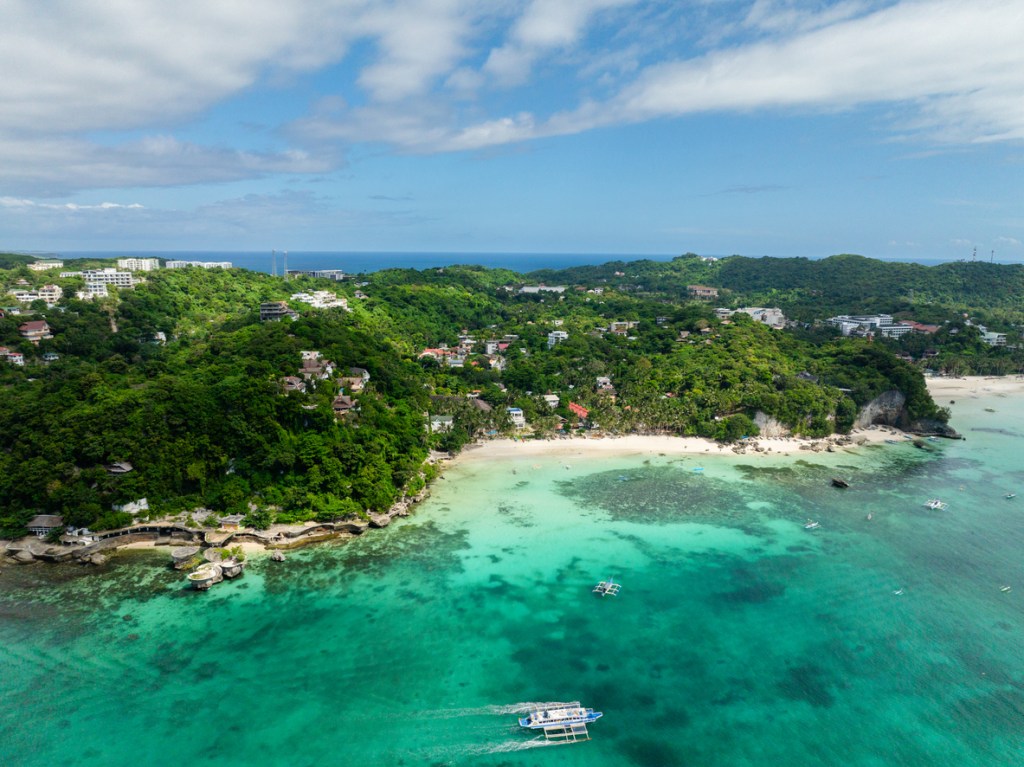
Free-Day Activities for Wednesday, July 8
Top Aquatic & Outdoor Adventures
- Scuba Diving: Explore vibrant coral reefs.
- Island Hopping: Visit pristine Crocodile Island.
- Snorkeling: See marine life at Coral Garden.
- Cliff Jumping: Leap into turquoise waters at Magic Island.
- Helmet Diving: Walk along the sandy ocean floor.
- Kitesurfing: Catch steady morning winds at Bulabog Beach. [1, 2, 3]
Beach & Leisure Experiences
- White Beach: Lounge on powdery soft sands.
- Puka Shell Beach: Escape the larger tourist crowds.
- Willy’s Rock: Walk to the iconic volcanic formation.
- Crystal Kayaks: Snap clear, Instagram-worthy photos. [1, 2, 3]
Evening & Sunset Activities
GIGA VI Session Schedule

GIGA-VI Complete Program
Abstract Book
Genome Assembly Workshop
Led by Prof. Jean-François Flot
GIGA-VI Participants
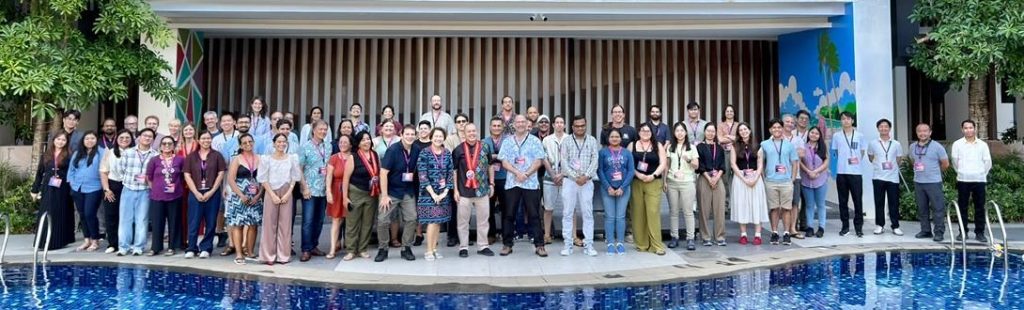
GIGA-VI Organizing Committee
Sponsors

Invitation from GIGA President Carlos Prada
International Travel to Boracay via Manila
Important – eTravel Registration
International arrivals must register with the Philippines eTravel system within 72 hours prior to arrival in Philippines.
- Most major international hubs have flights to Ninoy Aquino International Airport (MNL), in Manila.
- Nearby hubs include Hong Kong and Singapore.
- From the western hemisphere, flights are overnight, and a significant time difference. It is recommended to plan a day to adjust to the time change.
- Please be sure to monitor international travel advisories, and plan ahead to have your passport and documentation ready. Travel disruptions due to weather are possible, plan to be flexible in your travel dates.
- Be prepared for rain and insects, as well as warm, sunny weather.
- Grab is the preferred ride-hailing service in Philippines, especially in metro Manila.
- Early morning flights are preferred to avoid delays due to monsoon rains.
Airport and Ground Transportation Links

Grap App
Grab is the most widely used ride-hailing apps in the Philippines, and is recommended as the standard method for foreign travelers. If you plan to travel outside the specific conference area (such as for independent travel before or after the conference), Grab is the best option.
Map and Guide for Ninoy Aquino International Airport in Manila
Travel to Caticlan/Boracay from Manila

- Flight from Manila to Caticlan, ferry from Caticlan to Boracay (15min) (Fastest).
- Caticlan to Boracay specific details, please check the following link: https://info.myboracayguide.com/how-to-get-from-caticlan-to-boracay-29/
- Flight from Manila to Kalibo, shuttle from Kalibo to Caticlan (2hr), ferry to Boracay (Budget)
- Overnight ferry from Batangas to Caticlan (10 hour, overnight), ferry to Boracay